
Streaming has completely UBKINO ME changed the way people consume entertainment. Instead of downloading an entire movie or waiting for a scheduled television broadcast, viewers can now start watching digital content almost instantly.
From smartphones and laptops to smart TVs and gaming consoles, streaming technology has become part of everyday life. But what actually happens when you press the play button?
Behind a simple streaming experience is a combination of servers, internet networks, video compression, content delivery systems, and playback technology.
Understanding how these technologies work can help viewers appreciate why modern streaming platforms are faster, more flexible, and more convenient than traditional forms of media.
What Is Streaming Technology?
Streaming technology allows digital media to be played while data is continuously transferred from a remote server to a user’s device.
Unlike a traditional download, the viewer does not necessarily need to wait for an entire movie file to be transferred before playback begins.
When a user selects a video, small portions of the content are delivered progressively. The device processes these portions and displays the video while additional data continues arriving.
This process creates the familiar experience of watching movies online.
The Basic Streaming Process
Although the technology behind streaming can be complex, the basic process is relatively simple.
It generally involves several steps:
A movie is stored on a remote server.
The viewer selects the content.
The streaming system receives the request.
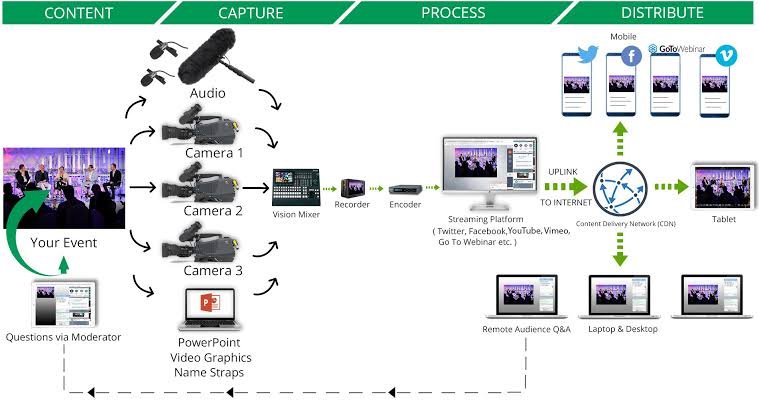
Video data is delivered through the internet.
The user’s device processes the incoming data.
The video begins playing.
Additional data continues arriving while the viewer watches.
All of this can happen within seconds when the network and streaming infrastructure are working properly.
The Role of Internet Speed
Internet connectivity is one of the most important parts of the streaming experience.
When a viewer watches a movie, the device continuously receives video data. If the connection is fast and stable, playback can usually continue smoothly.
If the connection becomes unstable, the video may experience:
Buffering
Reduced quality
Longer loading times
Playback interruptions
The required connection speed also depends on video quality. Higher-resolution formats generally require more bandwidth than standard-definition video.
What Is Video Compression?
Raw video files can be extremely large. Streaming such files without compression would require enormous amounts of bandwidth and storage.
Video compression solves this problem.
Compression algorithms reduce the amount of data required to represent video while attempting to preserve visual quality.
Modern video codecs are designed to make digital video:
Smaller
Faster to transmit
Easier to store
More efficient to process
This technology plays an important role in making high-quality streaming possible.
Understanding Adaptive Streaming
One of the most useful technologies used by modern streaming platforms is adaptive bitrate streaming.
The system can monitor network conditions and adjust video quality accordingly.
For example, a viewer with a strong connection may receive higher-quality video. If the connection becomes slower, the system can temporarily reduce the quality to prevent playback from stopping completely.
This creates a more flexible viewing experience.
The Importance of Cloud Servers
Streaming platforms need powerful infrastructure to store and deliver large amounts of video content.
Cloud computing allows digital entertainment companies to use large networks of servers for:
Video storage
Content processing
User requests
Traffic management
Data delivery
Cloud infrastructure can also make it easier for platforms to scale when millions of viewers access content at the same time.
What Is a Content Delivery Network?
A Content Delivery Network, commonly known as a CDN, consists of servers distributed across different geographical locations.
Instead of every viewer connecting to a single central server, content can be delivered from a server that is geographically closer to the user.
This can help reduce:
Latency
Loading times
Network congestion
Playback interruptions
CDNs are an important part of modern digital video distribution.
Streaming on Different Devices
Streaming technology is designed to work across many types of hardware.
Smartphones
Mobile devices provide convenient access to entertainment while traveling or away from home.
Laptops and Computers
Large screens and powerful processors provide a comfortable viewing experience for workspaces and home offices.
Smart TVs
Smart televisions combine large displays with internet connectivity, making them popular devices for home entertainment.
Gaming Consoles
Many gaming systems also function as entertainment hubs, allowing users to access video content alongside games and other applications.
Why Buffering Happens
Buffering occurs when the device does not receive video data quickly enough to maintain continuous playback.
Several factors can contribute to buffering:
Slow internet connection
Network congestion
Weak Wi-Fi signal
High streaming resolution
Server problems
Multiple devices using the same connection
Reducing video quality or improving network stability can sometimes help reduce buffering.
The Role of Audio Streaming
Streaming is not limited to video.
Movies also contain audio data that must be delivered and processed alongside the visual content.
Modern streaming technology can support high-quality audio formats that improve:
Dialogue clarity
Music
Sound effects
Surround sound
Immersive entertainment
Video and audio synchronization is another important part of a smooth viewing experience.
How Streaming Has Changed Entertainment
Traditional media required viewers to follow fixed schedules or use physical formats.
Streaming introduced a more flexible model.
Audiences can now choose:
What they want to watch
When they want to watch
Which device they want to use
How they want to discover content
This shift has influenced the entire entertainment industry.
The Future of Streaming Technology
Streaming technology continues to evolve.
Future developments may include:
More efficient video codecs
Improved 4K and 8K streaming
Faster mobile networks
Smarter adaptive streaming
AI-powered recommendations
Advanced cloud infrastructure
More immersive entertainment
These innovations are expected to make digital entertainment faster, more efficient, and more personalized.
Frequently Asked Questions
How does online movie streaming work?
A streaming platform sends small portions of video data from remote servers to a user’s device, allowing the content to play while additional data continues downloading.
Why does streaming sometimes buffer?
Buffering can occur when the device receives data slower than required for continuous playback.
Does higher video quality require more internet speed?
Generally, yes. Higher-resolution video requires more data and therefore usually requires greater bandwidth.
What is adaptive streaming?
Adaptive streaming automatically adjusts video quality based on network conditions and device capabilities.
Why are cloud servers important for streaming?
Cloud infrastructure provides storage and computing resources that allow large amounts of digital content to be delivered to users.
Conclusion
Streaming technology may appear simple from a viewer’s perspective, but a sophisticated network of systems works behind every play button. Internet connections, video compression, cloud servers, content delivery networks, and adaptive streaming technologies all work together to provide a smooth entertainment experience.
As technology continues advancing, online movie streaming will become even more efficient and accessible. Faster networks, improved compression, smarter systems, and higher video quality will continue shaping the future of digital entertainment.