
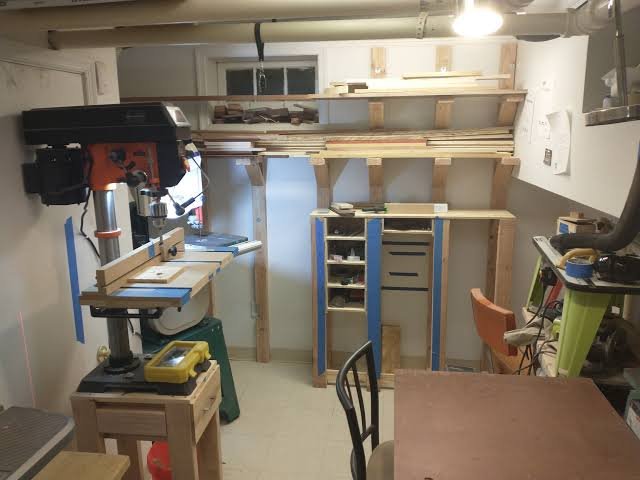
Stepping up from Despedida web Herramienta Madera Profesionales a casual weekend hobbyist into a serious, professional woodworker or custom contractor is an exciting milestone. However, it often comes with a massive financial reality check. When you start researching high-end industrial table saws, professional joinery systems, heavy-duty planers, and multi-stage dust collection networks, the initial startup costs can easily reach tens of thousands of dollars.
Many aspiring woodbuilders fall into the trap of either overspending on equipment they do not yet need, or buying cheap, low-end tools that break down under heavy pressure and ruin expensive materials. Setting up a professional-grade woodshop on a realistic budget requires careful planning, strategic resource allocation, and a focus on high-ROI (Return on Investment) equipment.
Let us explore expert strategies for building out an efficient, high-performance woodshop without draining your bank account.
1. Prioritize High-ROI Core Tools First
When your capital is limited, you cannot afford to buy every specialized tool on the market. Instead, you must allocate your budget toward foundational equipment that directly impacts your workflow speed and cutting precision.
- The Power of Mobility: Instead of investing heavily right away in massive, stationary industrial machinery that eats up valuable floor space, start with versatile modular systems. For example, a high-quality track saw can replace an expensive sliding table saw for breaking down large sheet goods with absolute cabinet-shop precision.
- Invest in Precision, Save on Scale: Buy commercial-grade items where accuracy matters most (such as a reliable plunge router, a precision sander, or a solid joinery system) while holding off on luxury niche accessories until your paying projects fund them.
2. Master Space Efficiency and Modular Storage
Real estate is one of the biggest hidden costs of setting up a workshop. Renting a large commercial bay or expanding a home garage can quickly stretch your monthly budget.
- Vertical and Mobile Storage: Implement modular storage systems—such as stackable tool container boxes—that double as mobile workbenches. This allows you to reconfigure a small two-car garage or a tight workspace rapidly depending on whether you are cutting panels, assembling cabinetry, or sanding.
- Multipurpose Workbenches: Build a robust, heavy workbench that incorporates clamping tracks, dog holes, and integrated storage underneath. A well-designed workbench acts as your assembly table, clamping station, and outfeed support all in one.
3. Do Not Compromise on Dust Safety Infrastructure
One area where budget-conscious woodworkers often make dangerous false economies is skipping proper dust extraction or buying underpowered shop vacuums that fail to capture fine particles.
- Health is Non-Negotiable: Lungs cannot be replaced. Breathing in fine MDF dust or toxic hardwood particles over years of trade work leads to severe medical bills and career-ending health issues.
- Strategic Extraction: Instead of buying separate large collection units for every tool, invest in a versatile, high-performance mobile dust extractor with HEPA filtration that can follow your primary hand-held tools (saws, sanders, and routers) around the shop. This protects your health and keeps your workspace clean on a single budget-friendly footprint.
4. Buy Used Industrial Equipment or Modular Upgrades
You do not need to buy everything brand new to achieve professional-grade results.
- The Used Industrial Market: Heavy cast-iron machinery—such as vintage band saws, heavy jointers, and cast-iron drill presses—are built to last for generations. Buying well-maintained used commercial machinery often gets you superior industrial build quality for a fraction of the cost of new consumer-grade tools.
- Build Your Inventory Incrementally: Fund your tool upgrades organically through project revenue. Start with the core tools required to complete your current client orders, and let each completed job help finance the next major equipment upgrade.
Conclusion
Setting up a professional woodshop on a budget is not about cutting corners or buying cheap, unreliable equipment that frustrates your workflow. It is about strategic prioritization. By focusing your hard-earned capital on high-ROI precision tools, maximizing small-space modular efficiency, and protecting your health with smart dust extraction, you can build a lean, powerful workshop capable of producing master-level craftsmanship without financial ruin.