
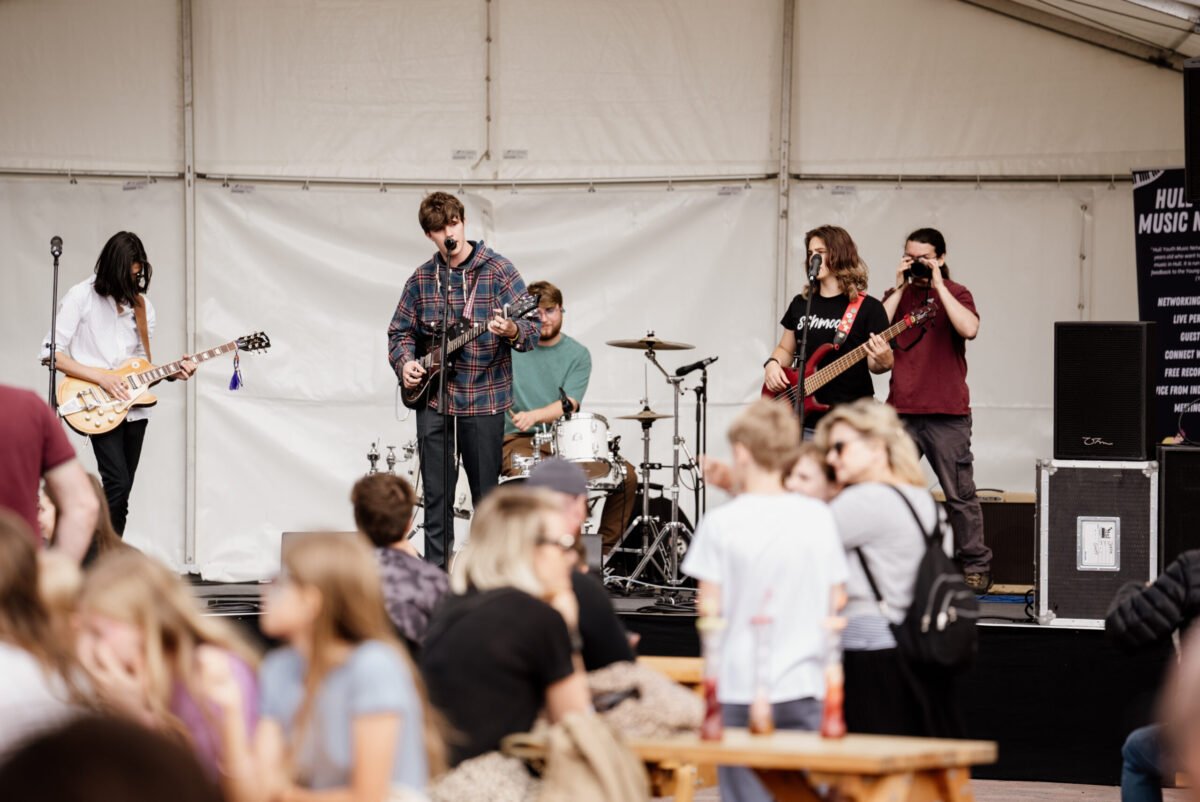
Young people are naturally curious.
They are Bangor Arts Exchange constantly discovering new interests, asking questions, and imagining what they might do in the future.
Cultural events can play an important role in that process.
A concert, theater performance, art exhibition, or community event can introduce young people to creative possibilities they may never have considered.
The impact of a single experience can sometimes last for years.
Seeing Creativity in Action
Reading about music and art is valuable, but seeing creativity performed in person provides a different experience.
A young person attending a concert can watch musicians communicate with an audience.
They can observe how songs are performed and how performers interact with one another.
This makes creativity tangible.
It shows that artistic work is something people can practice, develop, and share with others.
Discovering a Passion
Many creative interests begin with a single experience.
A child might attend a concert and become fascinated by drums.
Another might become interested in singing after seeing a vocalist perform.
Someone else may become curious about photography, lighting, stage design, or sound engineering.
These discoveries can influence hobbies and future education.
Not every young person will become a professional artist, but exposure to creativity can still provide meaningful personal benefits.
The Many Careers Behind a Performance
Young audiences often focus on the performers, but cultural events depend on many different professionals.
Sound engineers make sure music can be heard clearly.
Lighting designers create visual atmosphere.
Photographers document performances.
Graphic designers create promotional materials.
Event managers coordinate schedules and logistics.
Marketing professionals connect events with audiences.
These careers demonstrate that the creative industries are much broader than performing on stage.
Learning Through Observation
Live events can provide informal education.
Young people can observe how professionals behave in a real working environment.
They can see the importance of preparation, teamwork, communication, and problem-solving.
A performer may make a mistake and recover professionally.
A technical team may solve an unexpected problem.
These moments demonstrate skills that are valuable far beyond the arts.
Encouraging Confidence
Creative activities can help young people develop confidence.
Performing in front of others requires courage.
Creating art requires willingness to experiment.
Sharing ideas requires communication.
Cultural environments can encourage young people to take those risks in supportive settings.
A young person who performs for a small audience today may become more comfortable speaking or presenting in other situations later.
Connecting Different Generations
Arts events can also bring generations together.
Parents and children can attend performances together.
Grandparents can introduce younger family members to music they enjoyed in the past.
Young people can introduce older family members to contemporary artists.
These exchanges create opportunities for conversation.
They also demonstrate that cultural interests can cross age boundaries.
Supporting Local Young Artists
Community venues can provide opportunities specifically for young performers.
Student musicians, beginning bands, young singers, and other emerging artists need places to gain experience.
Performing for an audience can help them develop skills that practice alone cannot provide.
It also allows families and friends to celebrate their achievements.
These opportunities can become important milestones.
Creating Positive Social Spaces
Young people need places where they can spend time around positive activities.
Cultural venues can provide alternatives to environments that do not encourage creativity or community participation.
A concert or arts event can become a social experience centered around shared interests.
Young attendees can meet peers, make friends, and discover communities that support their passions.
Technology and the Modern Creative World
Young people are already highly familiar with digital technology.
They use phones, social platforms, streaming services, editing tools, and creative applications.
Cultural venues can complement these digital experiences.
A young musician can discover an artist online and later see them perform live.
A photographer can use digital equipment to document an event.
A designer can promote a performance through digital media.
The physical and digital worlds can work together.
Inspiring Community Involvement
Cultural events can also encourage young people to become active members of their communities.
They may volunteer at events, help organize programs, perform, document performances, or support local artists.
This creates a sense of responsibility.
Young people begin to understand that communities do not simply exist around them.
They are also shaped by the people who participate in them.
The Long-Term Impact
The influence of a cultural experience may not be obvious immediately.
A child who attends a concert today may only remember having a good time.
Years later, that experience might influence a career choice, hobby, or creative interest.
This is why cultural investment in young people matters.
The results may take years to become visible.
Making Arts Accessible
For cultural experiences to influence young people, they need to be accessible.
Affordable events, educational programs, welcoming environments, and diverse programming can help more young people participate.
When young audiences feel that cultural spaces are for them, they are more likely to return.
Building the Future of the Arts
Today’s young audiences are tomorrow’s artists, audiences, organizers, volunteers, and cultural leaders.
Providing them with meaningful experiences helps build the future of the local arts ecosystem.
A community that encourages young people to participate in culture is creating a foundation for continued creativity.
Conclusion
Cultural events can inspire young people in ways that extend far beyond entertainment.
They introduce creative possibilities, provide informal education, encourage confidence, create social connections, and expose young audiences to a wide range of careers.
A single concert or performance may become the beginning of a lifelong interest.
That is why cultural venues matter.
They provide spaces where the next generation can discover what they love, meet people who share their interests, and imagine new possibilities for the future.